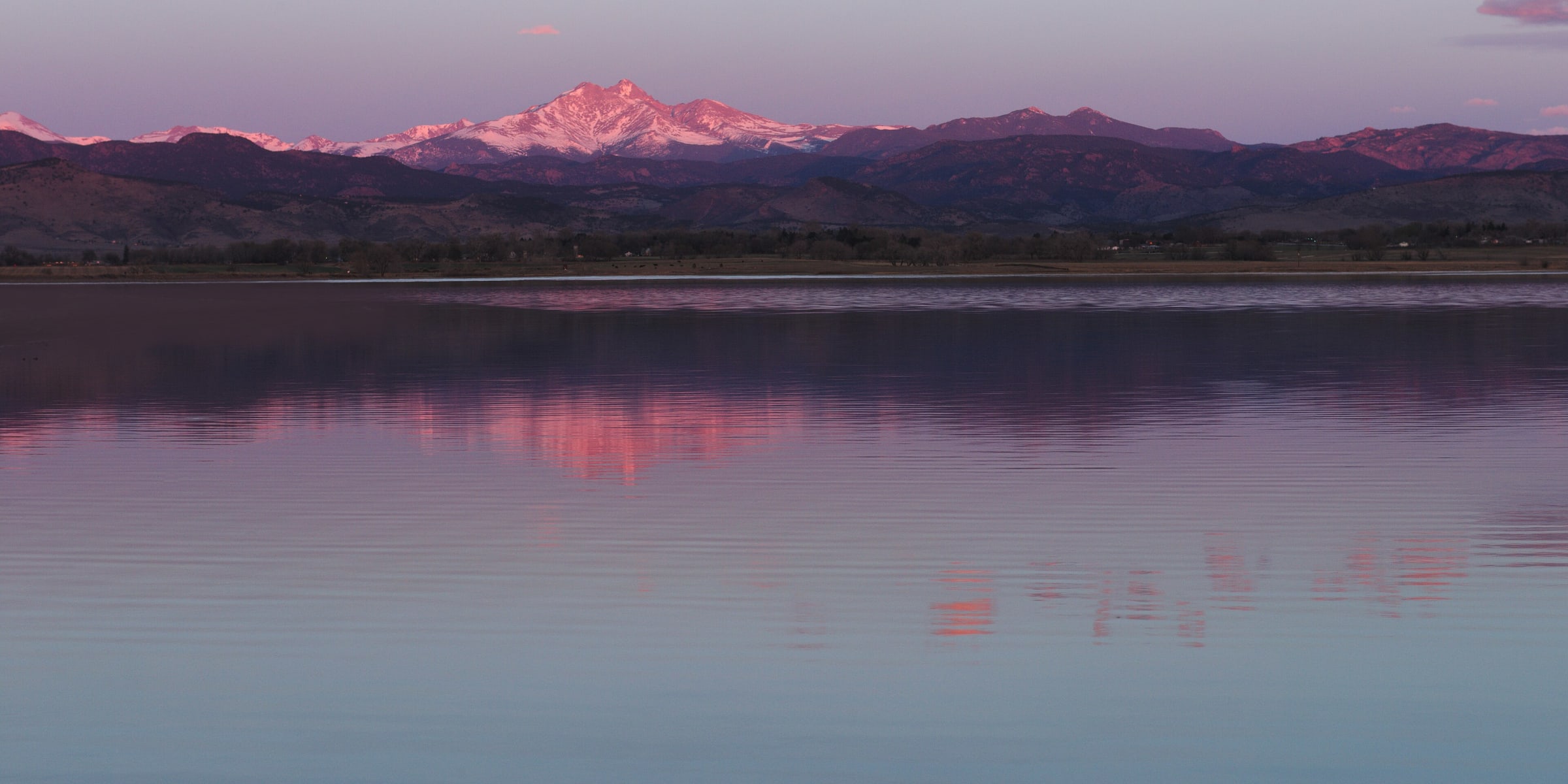
Longmont sits in the middle of the northern Front Range and works like a self-contained city rather than a bedroom stop on the way to somewhere else. It runs its own electric utility, has a hospital of its own, keeps a municipal museum and golf course, and hosts a county fairgrounds. Walk to the west end of almost any east-west street and Longs Peak fills the horizon, which is how the place picked up its name.
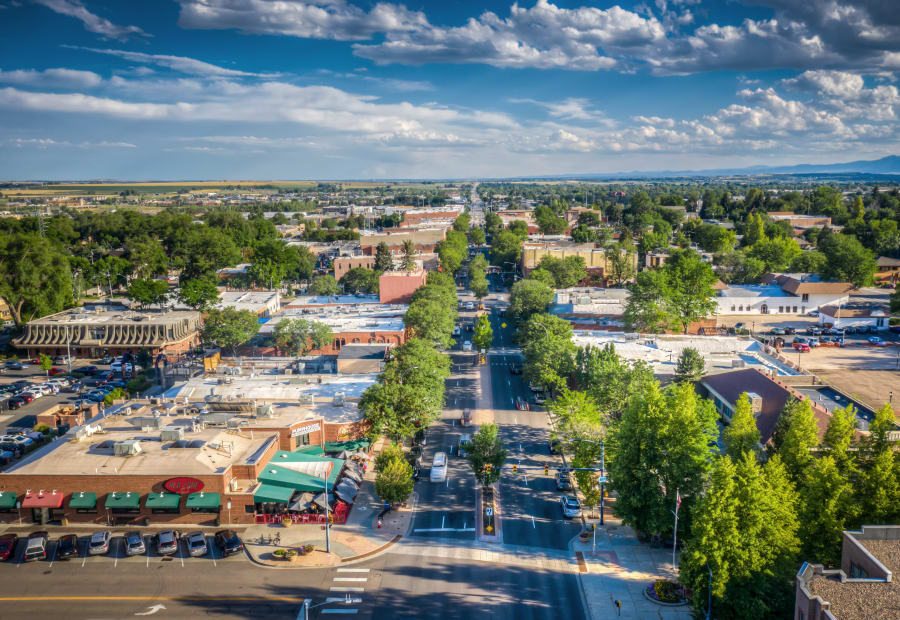
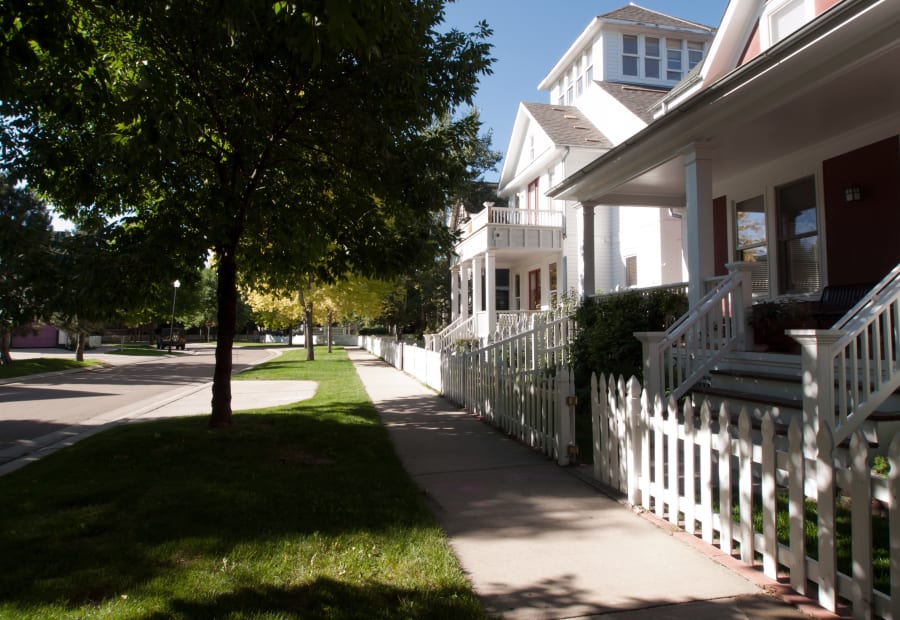
The layout tells the story of its growth. The Chicago-Colorado Colony platted a tight grid around Main Street in 1871, and that grid is still the city's core. Farm country and a sugar-beet economy kept the town modest until IBM arrived in the 1960s. The workforce that followed needed houses fast, and whole tracts of ranch and split-level homes went up south and west of the old grid. The population count climbed from 23,209 in 1970 to 98,885 in 2020, and each decade left its own street pattern: curving cul-de-sacs from the IBM era, wider arterials and shopping centers from the 1990s, and denser pockets with trailheads and parks from the last twenty years.
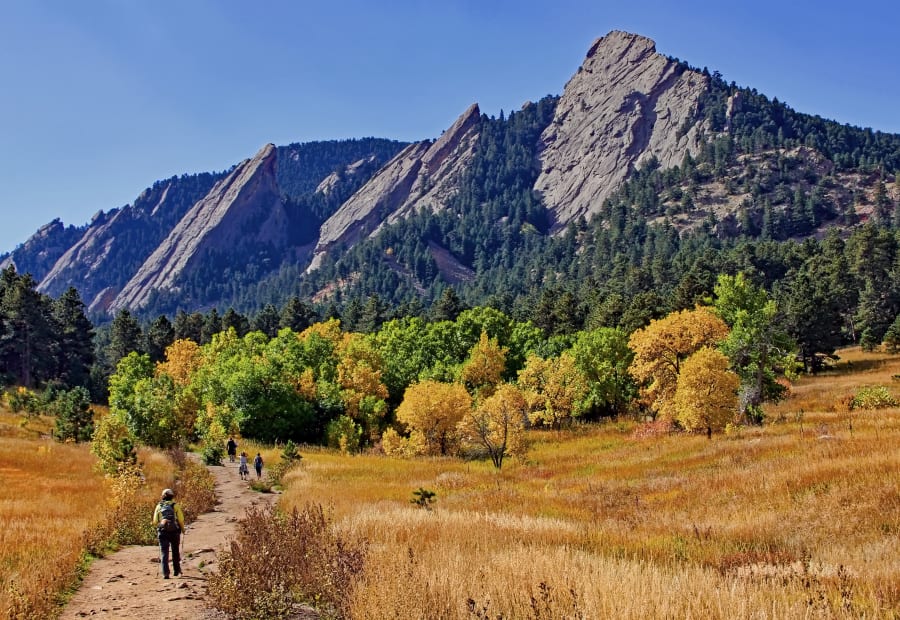
Daily life here is organized around the greenways. The city strings paths along St. Vrain Creek, Left Hand Creek, Dry Creek and smaller gulches, so a short bike ride can get you from a neighborhood to a lake or nature area without touching a major road. Add NextLight, the city-owned fiber internet that started construction in 2014, and you get a place where someone can work from a home office, then be at a reservoir shoreline in ten minutes. Alaska Kuntz works from this city every day, and the pages for Old Town Longmont and Prospect New Town on this site go deeper on those two areas.